
Building a design organization that scaled to an exit
Glassdoor was growing faster than its design could keep up. I built the organization, the research practice, and the first design system that let product quality scale with the company, through the growth years that led to a $1.2B acquisition.
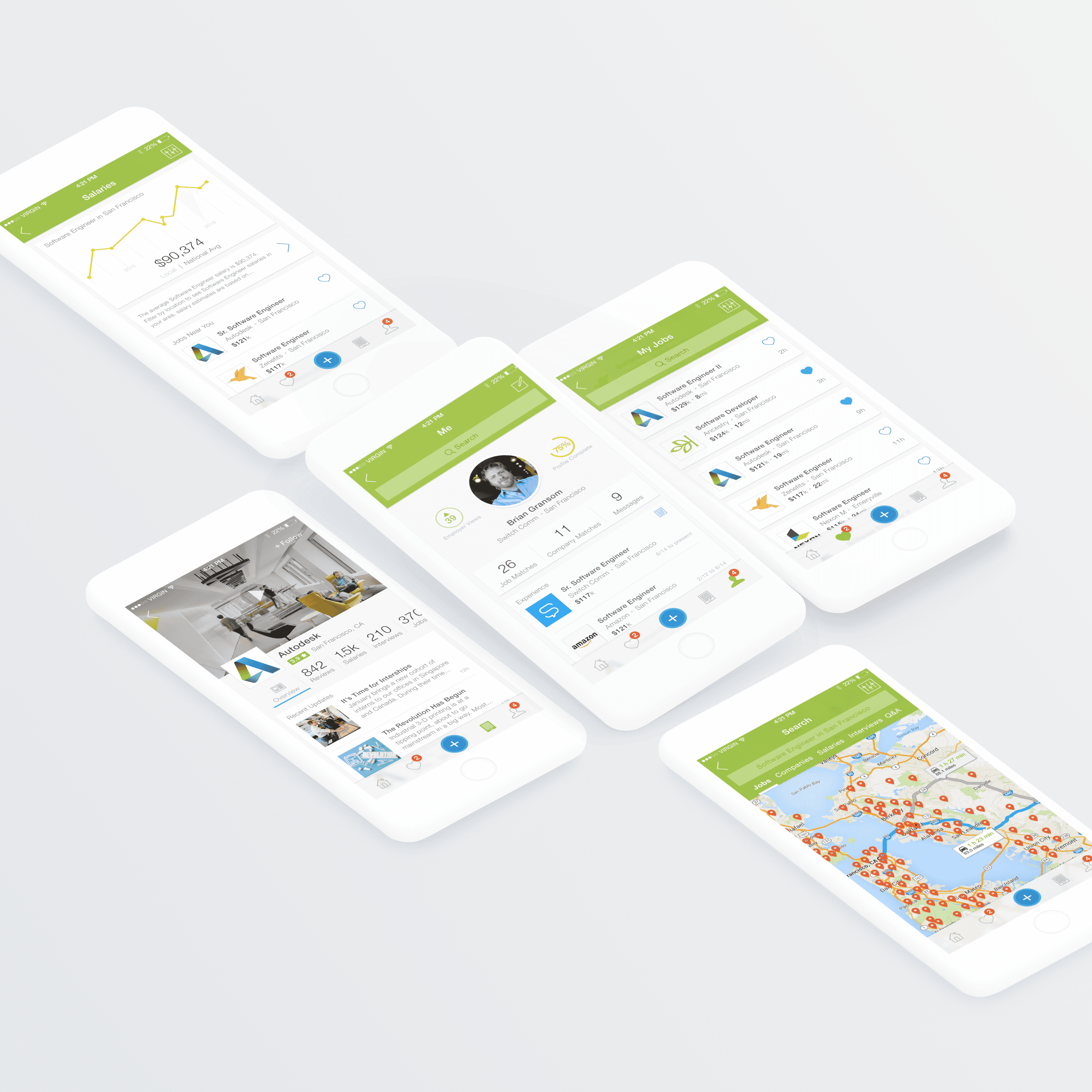
Building the design organization behind the product
Org-building
Built a 20+ person product design and research organization with the leveling, critique culture, and operating rhythms that let quality scale with the company.
Research as strategy
Led design and research as one practice, moving research upstream from downstream validation into the input that shaped roadmap decisions.
Systems as the foundation
Created Glassdoor's first comprehensive design system, turning repeated patterns into shared speed and one consistent voice across the product.
Glassdoor was growing faster than its design could keep up. The fix wasn't better screens: it was an organization.
As Senior Director, User Experience, Product Design & User Research, I led a multi-disciplinary team across job search, company reviews, salary insights, mobile, and employer-facing products. The mandate was two-sided: help job seekers make higher-confidence career decisions, and give product teams a faster, more consistent way to ship.
Getting there meant building the things that never show up in a single screen: a hiring and leveling structure, a research practice with a real seat in roadmap decisions, and a design system that made quality repeatable instead of heroic.
Scale was outrunning craft. Every team was solving the same problems a little differently, and the highest-stakes moment in the product (a person deciding where to work) was getting harder to navigate, not easier.
- Search and reviews competed with salaries and company content for the user's attention at the exact moment they needed clarity.
- Product teams had no shared design language, so every surface drifted.
- Research arrived after decisions were made: validating them instead of shaping them.
- Design quality depended on individual heroics, not a system, which doesn't scale with headcount.
I treated the organization and the research practice as one connected system, because product quality at scale is an organizational outcome, not an individual one.
Build the org, not just the work
Hired and leveled a 20+ person team, coaching as it grew, and set the critique and operating rhythms that keep quality high.
Give research a seat upstream
Moved research from downstream validation into roadmap input, so user evidence shaped what got built, not just how it looked.
Make quality a system
Created Glassdoor's first comprehensive design system, turning repeated patterns into shared speed and a consistent voice across the product.
This is the org-scale proof point in my portfolio: hiring and coaching, leveling and research, with systems standing behind the work. Design quality and product velocity had to mature alongside the business. It's the foundation the AI-native work later stood on.
Built and led the org
Recruited and structured a 20+ person design and research team across the company's core product areas, coaching as it grew.
Research integrated, not outsourced
Led product design and user research as one practice; evidence and craft advanced together rather than in sequence.
Systems as the foundation
Stood up the first design system and patterns that let a growing org ship consistently and faster.
Product and system work
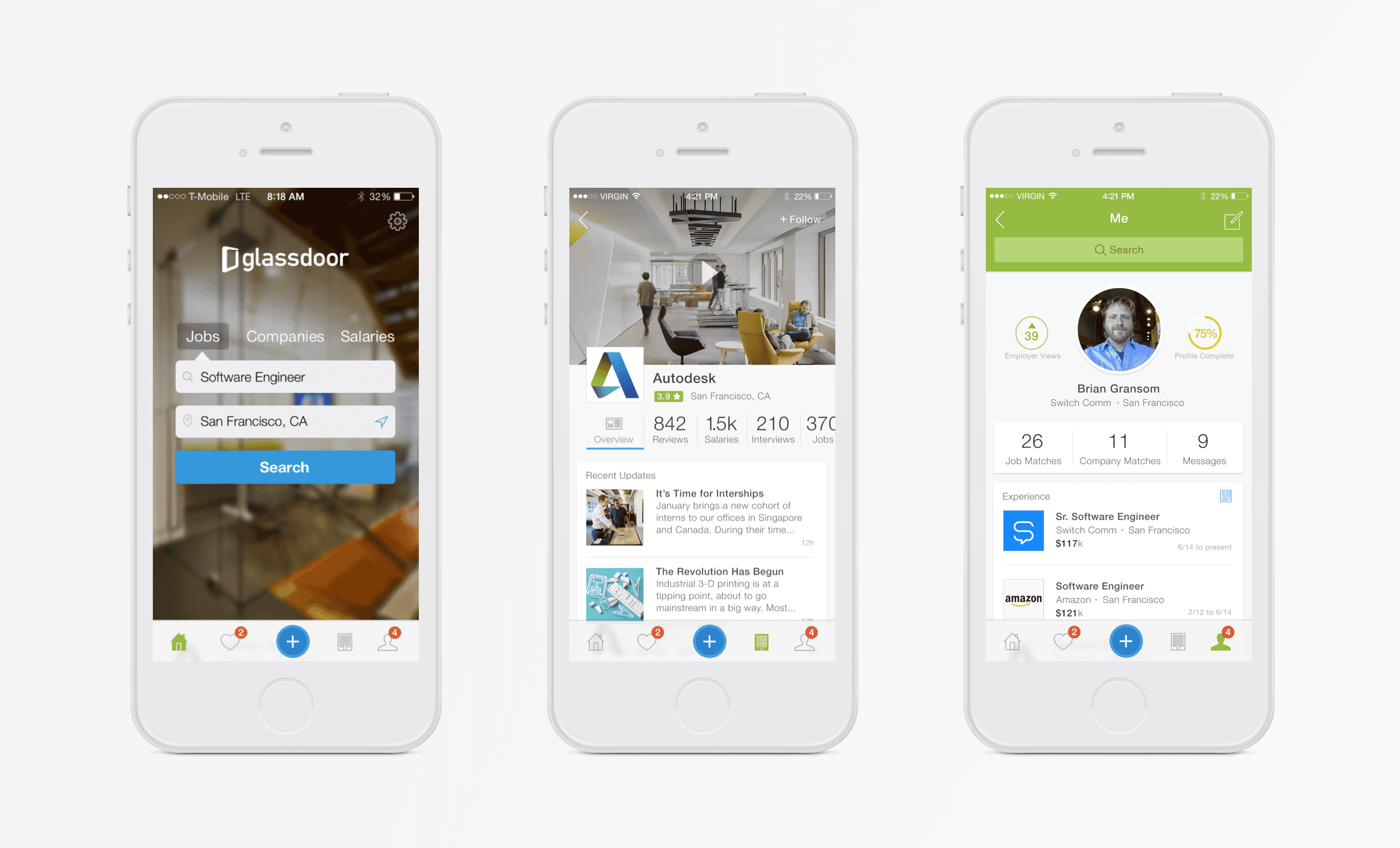
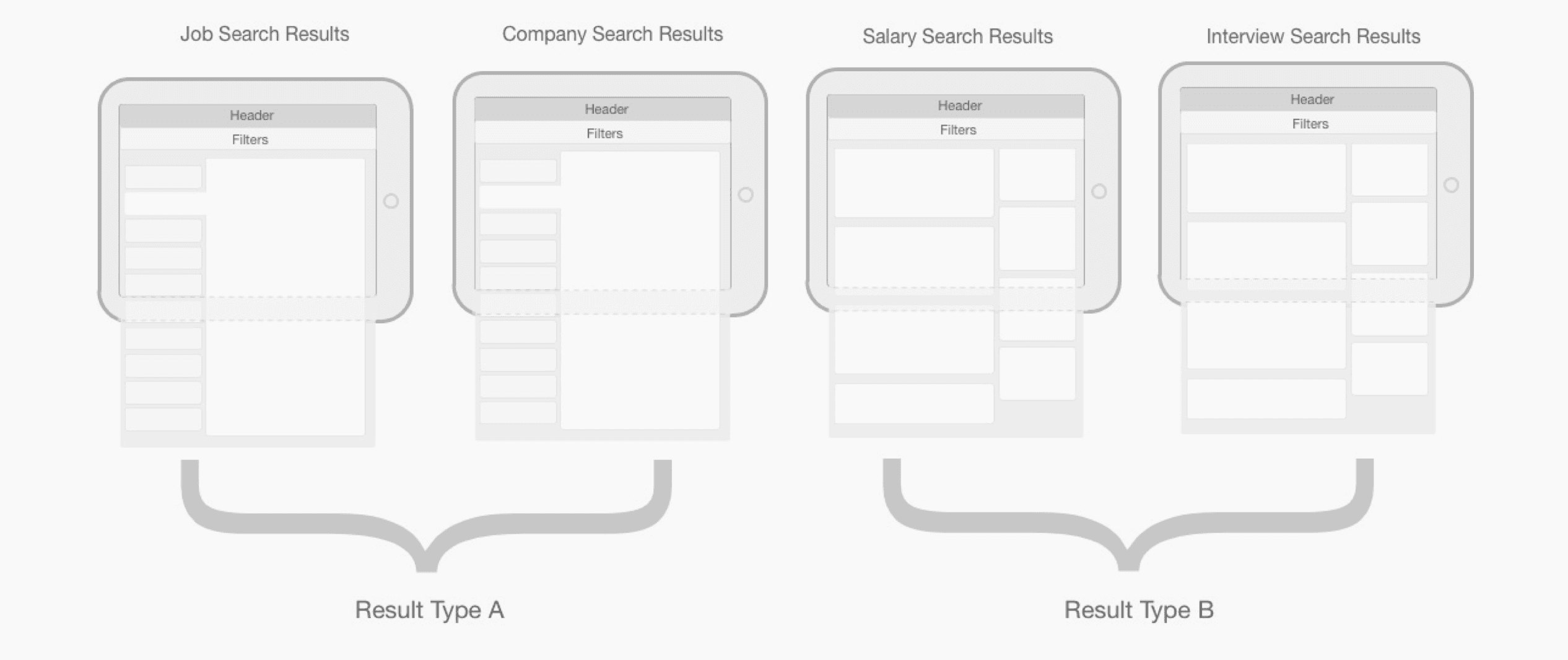
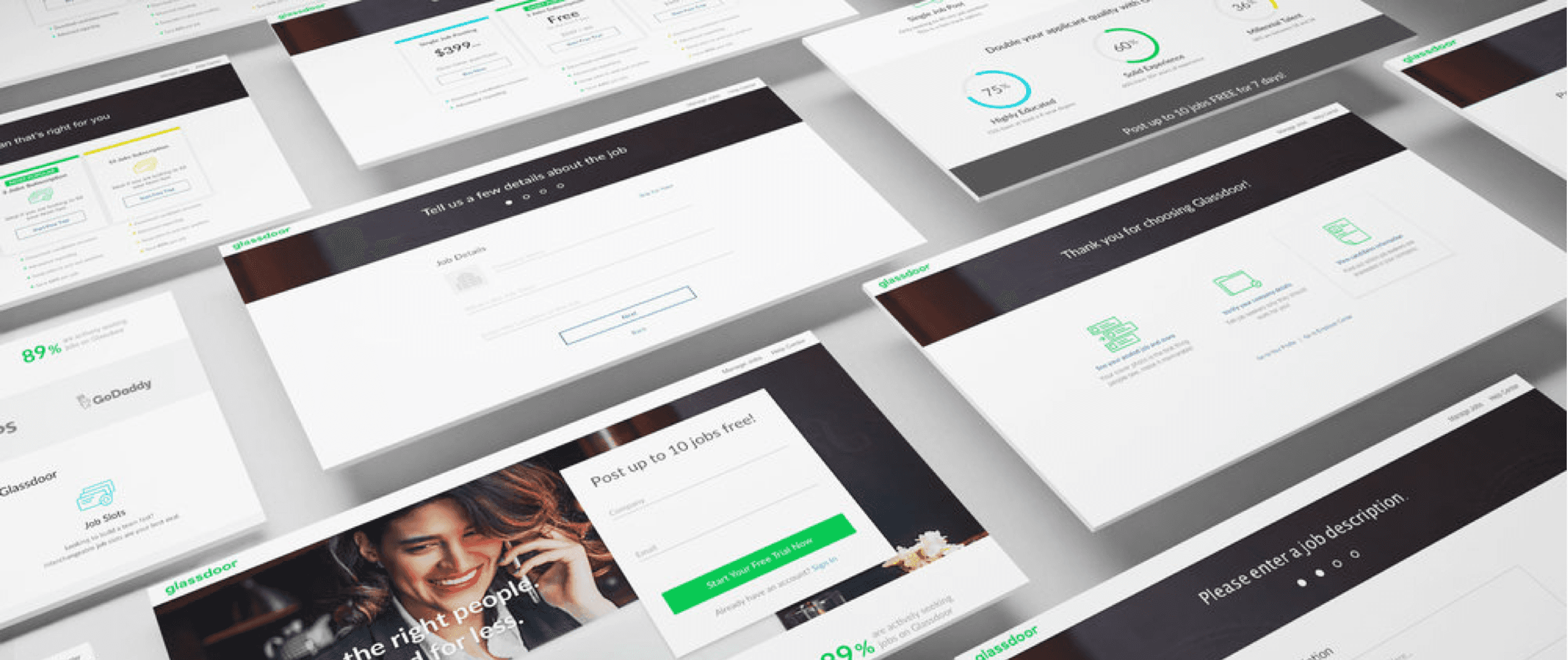
The work scaled because the team and the product strategy matured together, with the design system underneath.
Product quality at scale is an organizational outcome.
A design org built to scale
Recruited and structured a 20+ person product design and research organization across the company's core product areas, with the leveling and rhythms to keep quality high as it grew.
Glassdoor's first design system
Turned repeated UI patterns into a shared system that improved consistency and delivery speed across the product.
Growth toward a $1.2B exit
Built the design organization and systems during the high-growth years that led to Glassdoor's $1.2B acquisition.