
Writing
Notes on AI-native design and trust. On leading teams.
Field notes from building AI-native healthcare products and the design organizations behind them. AI proposes, experts decide. Craft still matters.
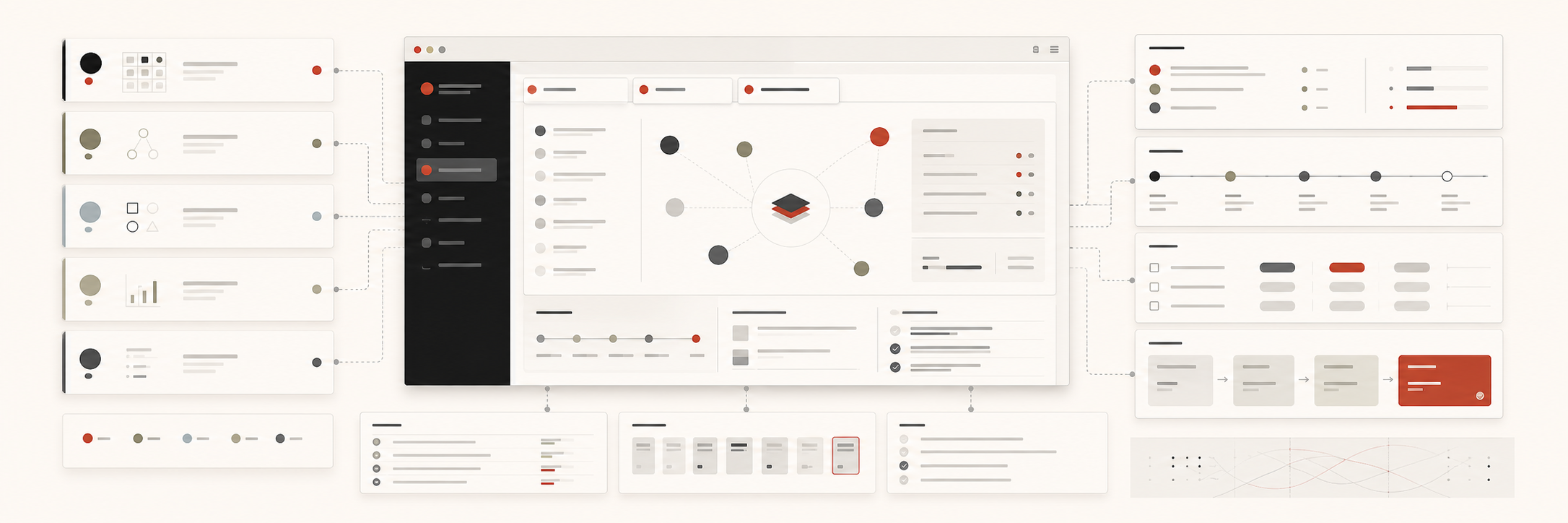
How I built a product-development AI agent team
Maren, Reid, Ava, Kai, and Syd share one Obsidian vault as a product brain. Signal gates. State files. A disagreement protocol. Human review sits at the end, and nothing ships past it.
Read the essay
The subtraction test: what AI-native actually means
Remove the model tomorrow. Would you still have a product? That one question separates AI-native software from AI decoration, and it redraws product and design work.
Inside the agent factory: why I don't trust green tests
Three parallel builders. Two adversarial challengers. 28 findings. The gap between passing tests and trustworthy software is the story.
Why I wrote up the AI-native SDLC case study
I had to win an argument against my own first draft before it reached leadership. The migration was the easy part.
Agent Experience Design, since March 2025
Building signal gates. Disagreement protocols. Adversarial review. Agent work has been accountable since March 2025 and these three mechanisms are why.
ds-canon: your design system, queryable by agents
A read-only MCP server. Eight queries cover tokens and components, plus deprecations. Built and adversarially tested by a multi-agent factory in one afternoon.
Don't Outsource the Thinking
AI is a strong divergent thinker and a poor judge. It is a bad critic. So I run a daily critique loop against my own work, to sharpen thinking rather than replace it.
How My Agent System Works: A Dated Comparison
A July 2026 comparison of four specific configurations, where persistent context and structured challenge, with evidence gates, decide the difference.
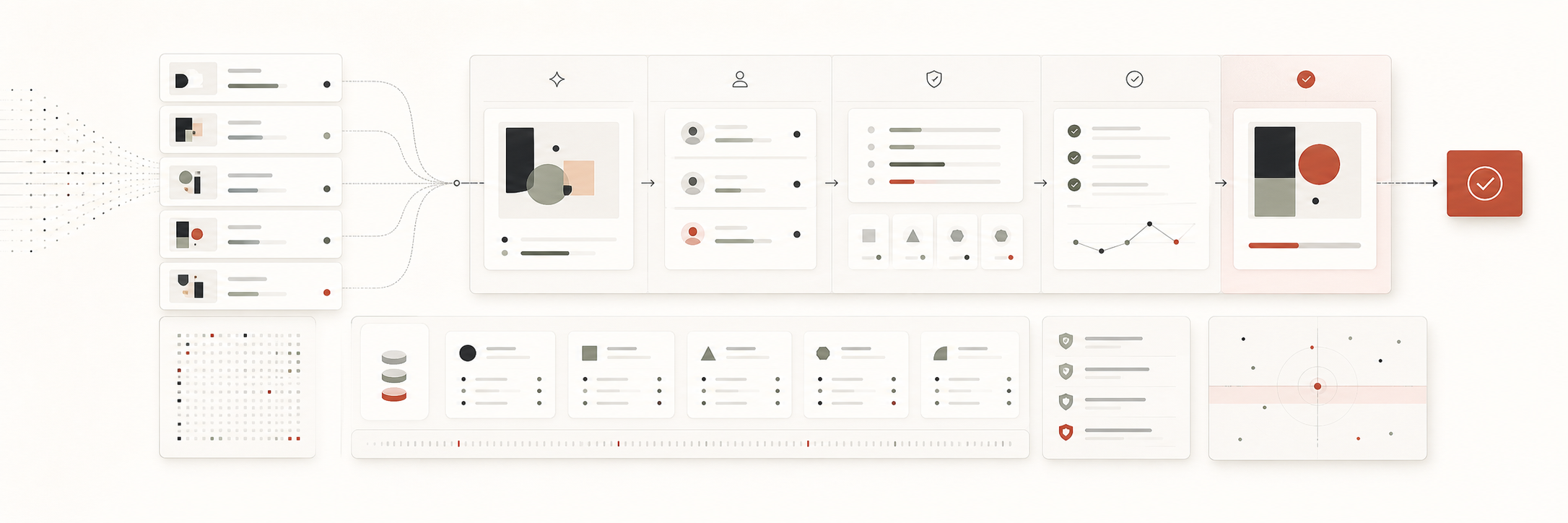
Balanced AI in product development
My evidence-led view on where AI belongs and what it should never own. Product craft still decides what ships.
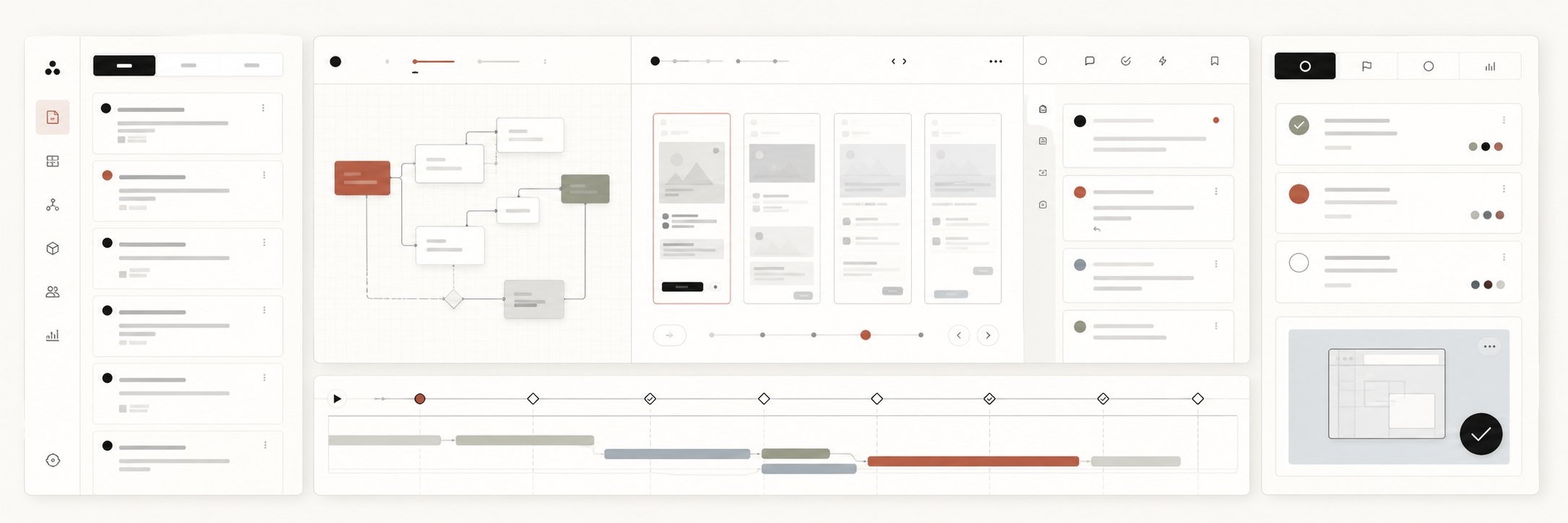
How and why I built Clarity UX
A private PRD-to-prototype product operating system where humans and agents shape flows and wireframes, plus the decisions that carry handoff.
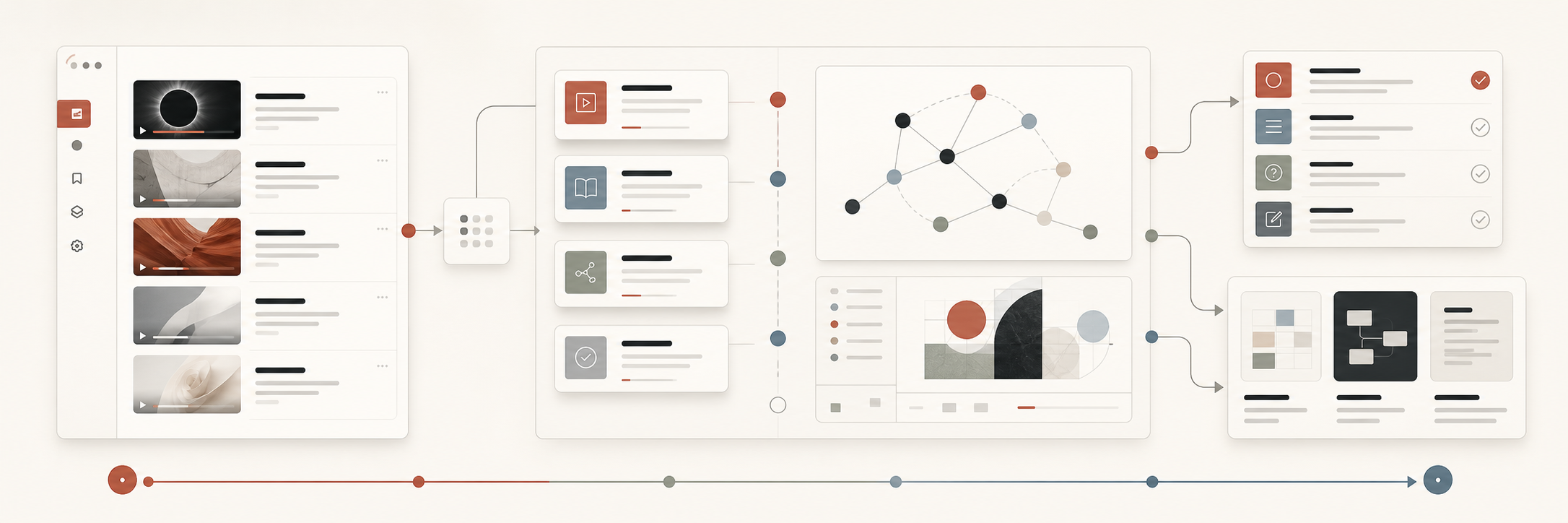
Why I built Learning Atlas
A transcript-backed learning system. Saved AI videos become lessons and diagrams, plus practice prompts and buildable projects.
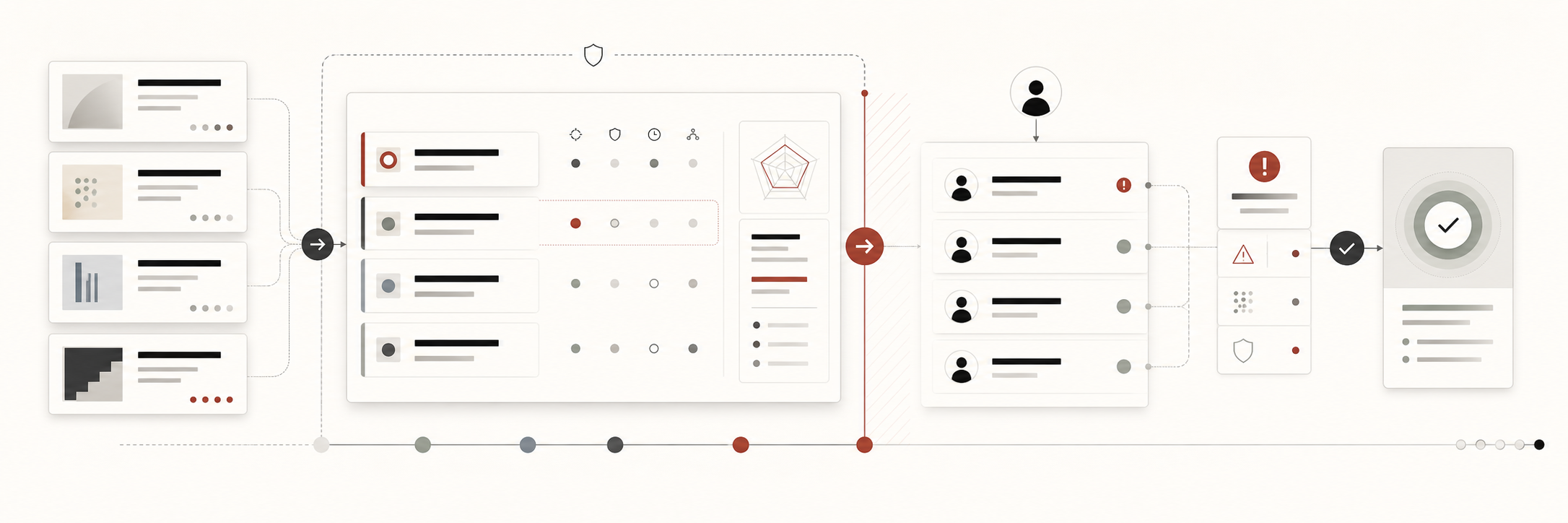
When should AI propose, and when must a human decide?
A working framework for drawing the line in high-stakes workflows. Review has to be easy to do well, or people won't do it.
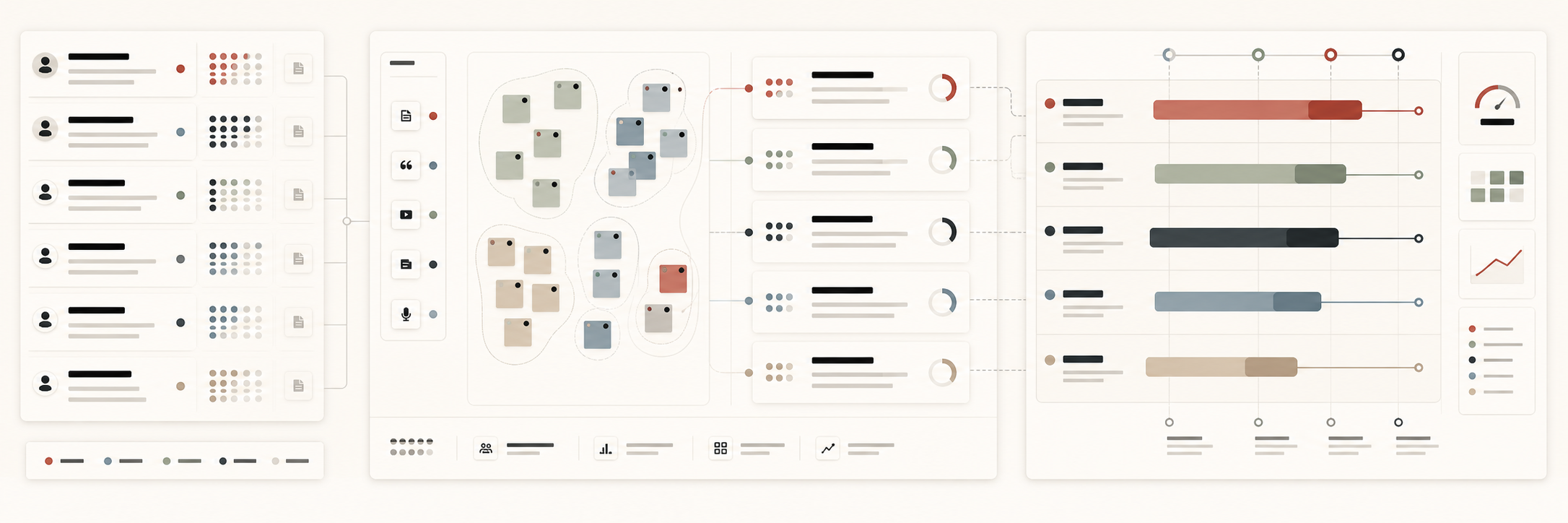
Research that earns a seat in the roadmap
Saturated themes and evidence traceability. Provider interviews turn into requirement families.
Partnering with the C-suite without losing the craft
Translating user insight into product strategy and operating models, the kind executives can actually act on.